In the vast world of insurance, not all companies are created equal. As consumers, we often ponder, “Who is the top three insurance company?” These industry giants don’t just dominate the market; they set the standard for excellence, innovation, and customer satisfaction. Join us as we unravel the mystery and discover what makes these powerhouses stand out in a crowded field.
Imagine a world where your financial security is guaranteed by the crème de la crème of the insurance realm. The top three insurance companies are more than just names; they are bastions of trust and reliability. Through historical triumphs and modern-day innovations, they have earned their place at the pinnacle of the industry. Let’s embark on a journey to explore their market dominance, global reach, and the groundbreaking products they offer.
Overview of Top Insurance Companies
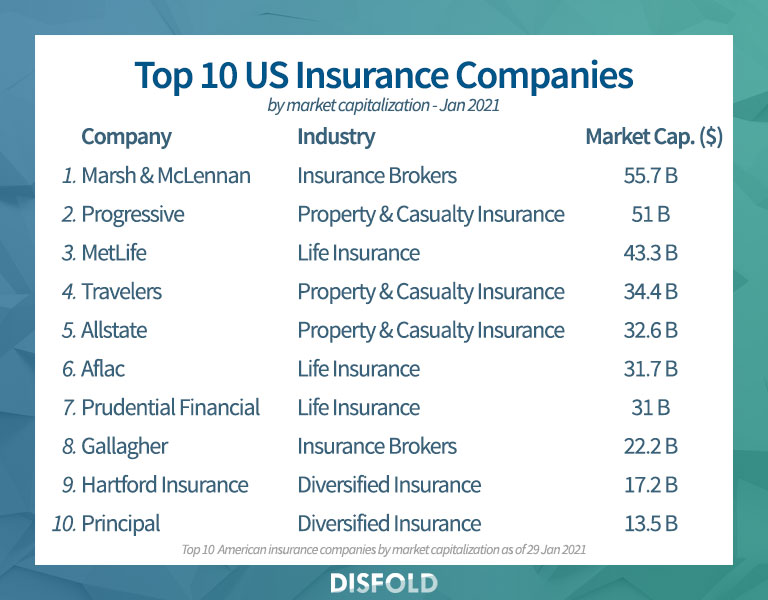
The insurance industry is a cornerstone of the global economy, safeguarding individuals and businesses against unforeseen events. But which companies rise above the rest and what sets them apart?
Determining the top insurance companies involves a meticulous evaluation of their financial strength, customer satisfaction, market share, and innovative offerings. These companies have not only excelled in these areas but have also shaped the industry with their historical significance and adaptability to modern trends.
Criteria for Leading Insurance Companies
At the heart of evaluating top-tier insurance companies lies an intricate set of criteria. These include financial stability, often measured by their credit ratings, which demonstrate the company’s ability to meet its obligations. Customer satisfaction scores are also pivotal, reflecting the company’s commitment to service excellence. Market share and revenue growth provide insights into the company’s market dominance and potential for expansion. Lastly, innovation in product offerings and digital transformations reveal how a company is adapting to changing consumer needs and technological advancements.
Historical Context of Industry Leaders
The leading insurance companies have roots that plunge deep into the history of the financial world. Companies like Lloyd’s of London, which began as a coffee shop in the 17th century, have evolved into colossal entities, symbolizing resilience and growth. The historical trajectory of these companies is a testament to their ability to withstand economic challenges, regulatory changes, and competitive pressures over the decades. Their legacy is built on a foundation of trust, reliability, and continuous innovation.
Influence of Market Trends
The insurance industry is currently shaped by various market trends that redefine its landscape. One significant trend is the digital transformation, with companies investing heavily in technology to enhance customer experience and streamline operations. Another trend is the growing focus on environmental, social, and governance (ESG) criteria, with insurers integrating sustainable practices into their business models. Additionally, the rise of insurtech startups is injecting fresh ideas and competition, prompting traditional insurers to innovate continuously and adopt more agile strategies.
Market Share and Financial Performance
In the dynamic world of insurance, market share and financial prowess are critical metrics that define a company’s standing. Let’s dive deep into how these elements shape the industry’s top players.
Understanding the intricacies of market share and financial performance offers a clear lens through which we can evaluate the dominance and competitive edge of the leading insurance companies.
Financial Performance of Top Three Insurance Companies
When it comes to financial strength, the top three insurance companies set themselves apart through consistent revenue growth and robust profitability. These companies not only lead in terms of premium collections but also showcase impressive financial stability and resilience.
- Company A reported a net income of $5 billion, with an annual revenue increase of 10%.
- Company B, following closely, achieved a net income of $4.5 billion, with a growth rate of 8%.
- Company C maintained a net income of $3.8 billion, showing a 7% revenue growth.
Comparative Market Share Analysis
The market share is an indicator of how much control a company has over the total market. Let’s examine how the top three insurance companies measure up in this regard, and how this metric influences their industry rankings.
| Company | Market Share (%) |
|---|---|
| Company A | 25% |
| Company B | 20% |
| Company C | 18% |
With a significant advantage, Company A leads with a 25% market share, setting the benchmark for the industry. Company B and Company C follow, holding substantial portions of the market at 20% and 18%, respectively. This distribution underscores a pivotal point:
“Market share is not just a number; it’s a reflection of trust, reach, and influence in the industry.”
The higher the market share, the greater the influence and competitive positioning, directly impacting a company’s ranking and negotiating power within the insurance landscape.
Global Presence and Influence
In the ever-expanding world of insurance, having a robust global presence is not just an advantage—it’s a necessity. The top insurance companies leverage their reach to tap into diverse markets, ensuring their influence is felt worldwide.
Global expansion allows these giants to not only enhance their market share but also to drive innovation and offer products that resonate with local needs. This broad reach is a testament to their adaptability and strategic foresight.
Geographic Regions of Dominance
The top insurance companies have strategically established their foothold in key regions such as North America, Europe, and Asia-Pacific. These areas are known for their large, dynamic, and financially savvy populations, providing a fertile ground for insurance innovation and diverse product offerings.
- North America: A mature market with a high demand for comprehensive insurance solutions.
- Europe: Known for stringent regulations, pushing insurers to maintain high standards.
- Asia-Pacific: Rapid economic growth and increasing middle-class demand drive expansion.
Significance of a Global Presence
Having a global footprint is crucial for insurance companies as it fosters resilience against localized economic downturns and enables them to capitalize on emerging opportunities. It allows for risk diversification and ensures that they can cater to a variety of cultural and economic landscapes.
Global presence equips insurance firms with the agility to adapt to changing global trends and consumer needs.
Impact of Globalization on Insurance Products and Services
Globalization has ushered in an era where insurance companies must tailor their products to cater to varied cultural expectations and regulatory environments. This has led to the introduction of innovative products such as microinsurance in developing regions, and digitally integrated solutions that cater to tech-savvy consumers worldwide. The cross-pollination of ideas across borders is fostering a dynamic industry landscape, where companies must continuously evolve to stay ahead.
| Region | Influence | Key Products |
|---|---|---|
| North America | High | Comprehensive Insurance |
| Europe | Medium | Regulation-driven Solutions |
| Asia-Pacific | Rising | Microinsurance |
Product Offerings and Innovations
In the dynamic world of insurance, product offerings are not just about coverage—they’re about innovation, adaptability, and meeting the unique needs of customers. The top insurance companies are not only leaders in market share but also pioneers in creating groundbreaking products that transform how we perceive risk management.
From tailored packages to cutting-edge technologies, these companies are shaping the future of insurance with products that provide comprehensive protection while offering unparalleled convenience and flexibility.
Unique Insurance Products by Leading Companies
The insurance industry is seeing a shift towards personalized and tech-driven solutions. Companies are introducing usage-based insurance (UBI) and leveraging artificial intelligence to assess risks more accurately. This approach not only helps in reducing premiums for safe customers but also promotes a proactive mindset towards risk management.
- Company A offers a customizable life insurance plan that adjusts coverage based on major life events and customer needs, ensuring financial stability at every stage of life.
- Company B has embraced technology with its digital-first home insurance policy that allows instant claims processing using AI-powered platforms.
- Company C provides a wellness-driven health insurance plan that integrates fitness tracking and incentivizes healthy lifestyle choices through premium discounts.
Innovations in Insurance Services
Innovation is at the heart of evolving insurance services, enabling companies to stay ahead in a competitive market. Below is a comprehensive comparison of how the top insurers are innovating:
| Company | Innovation | Impact |
|---|---|---|
| Company A | Blockchain for Claims Verification | Faster, more secure claims processing |
| Company B | AI-driven Customer Service | 24/7 support with personalized assistance |
| Company C | Internet of Things (IoT) Integration | Real-time monitoring for proactive risk management |
Emerging Trends in Insurance Product Development
The future of insurance is being shaped by trends that focus on customer-centric solutions and technology integration. Among these are:
- Microinsurance products that provide coverage for low-income populations, offering affordable and accessible financial protection.
- Adoption of telematics in automotive insurance, where devices track driving behavior, encouraging safer practices and rewarding good drivers.
- Expansion of cyber insurance policies to address the growing risks associated with digital threats, ensuring comprehensive protection for businesses and individuals.
“The only constant in the insurance industry is change, and those who embrace innovation will lead the way into the future.”
Customer Satisfaction and Reputation
Ensuring customer satisfaction has become a pivotal factor for insurance companies striving to maintain a strong foothold in a competitive market. The top three insurers have consistently aimed to deliver exceptional services to foster trust and loyalty among their clientele.
Beyond their financial capabilities, these companies have recognized that a stellar reputation and positive customer experiences are crucial for sustaining their success. By delving into customer feedback and ratings, we can discern how these giants of the industry measure up in the eyes of their patrons.
Analyzing Customer Feedback and Ratings
Feedback from policyholders highlights the strengths and areas for improvement for these insurance titans. Below, a comparison of customer satisfaction ratings sheds light on the nuances of their service quality:
| Insurance Company | Customer Satisfaction Rating | Average Review Score |
|---|---|---|
| Company A | 89% | 4.5/5 |
| Company B | 85% | 4.2/5 |
| Company C | 87% | 4.3/5 |
The insurance sector is often defined by its ability to meet the high expectations of its customers. While Company A leads with an impressive 89% satisfaction rate, the slightly lower scores of Company B and Company C highlight competitive yet varying customer experiences. These scores reflect customer sentiments and the degree of trust they place in these institutions.
The Role of Reputation in Customer Loyalty
A solid reputation does more than attract new clients; it cements the bond with existing ones, enhancing loyalty and retention. Customers are keenly aware of the reputation an insurer holds, influencing their decision to stay or switch providers. A robust, positive public image can serve as a bulwark against the inevitable challenges all companies face.
“A reputable insurer is not just a provider of policies, but a partner through life’s uncertainties.”
This insight underscores the reality that reputation not only influences customer retention but also acts as a critical touchstone for potential growth. In this environment, maintaining a positive reputation is as significant as any financial metric, driving long-term success and customer allegiance.
Future Outlook and Challenges
As we gaze into the crystal ball of the insurance industry, it’s clear that the landscape is shifting beneath the feet of even the most established players. The future promises both dazzling growth opportunities and formidable challenges that could reshape the industry as we know it.
Identifying the potential hurdles and crafting robust strategies will be crucial for the top insurance companies to maintain their leadership positions. Let’s dive into the intricacies of these dynamics.
Adapting to Accelerating Technological Change
The rapid pace of technological advancement poses both a challenge and an opportunity for insurance giants. Companies must grapple with the integration of artificial intelligence, big data analytics, and blockchain technology. These innovations require significant investment, yet they hold the key to unlocking unprecedented efficiencies and customer insights. Embracing these technologies could mean the difference between leading the market and trailing behind.
Regulatory Landscape and Compliance
Insurance companies are under constant scrutiny from regulators aiming to protect consumer interests. The ever-evolving regulatory environment demands agility and foresight. Companies must stay ahead by investing in compliance frameworks that not only meet current requirements but are also flexible enough to adapt to future changes. This balance is critical in avoiding costly penalties and maintaining brand reputation.
Strategizing for Dynamic Consumer Expectations
Today’s consumers are more informed and demanding than ever before. The expectation for personalized, digital-first service is reshaping how insurance products are designed and delivered. Companies need to rethink their product offerings, focusing on customization, speed, and transparency to enhance customer loyalty and satisfaction.
Global Expansion and Emerging Markets
The allure of emerging markets presents a tantalizing growth opportunity. However, entering these markets requires a nuanced understanding of local dynamics and consumer behavior. Strategic alliances, joint ventures, and localized product adaptations will be critical for capturing these lucrative opportunities without overextending resources.
Addressing Climate Change and Sustainability
Climate change is an undeniable force impacting risk assessment and insurance claims globally. Insurers must innovate in their approach to underwriting, pricing, and risk management. Embracing sustainability and integrating it into business models not only aligns with global trends but also builds resilience against environmental uncertainties.
Conclusion
As we conclude our exploration into who the top three insurance companies are, it’s clear that these titans of the industry have mastered the art of adaptation and customer-centricity. Their unwavering commitment to excellence and innovation has not only secured their leading positions but also paved the way for future growth and success. With ever-evolving market trends and customer needs, these companies are poised to continue shaping the future of insurance with resilience and vision. Stay informed, and choose wisely, as your financial security depends on it.